




Building "InnerWorlds": How Teens are Helping Us Design the Future of Mental Health
Co-creation Workshops in 4 countries
It is March 2026, and over the past few months we have delivered activities in Austria, Cyprus, Romania and Spain, that help us create the main outcome of this project - the mental health game.
Among these activities are the questionnaires on reporting of mental health issue that we conducted with teenagers and parents/educators, but also workshops with youth and educators on game design and development. These have been productive and have given us an idea of how young people like talking about mental health, but also which game mechanics they like, and what to focus on in the development of our own game.
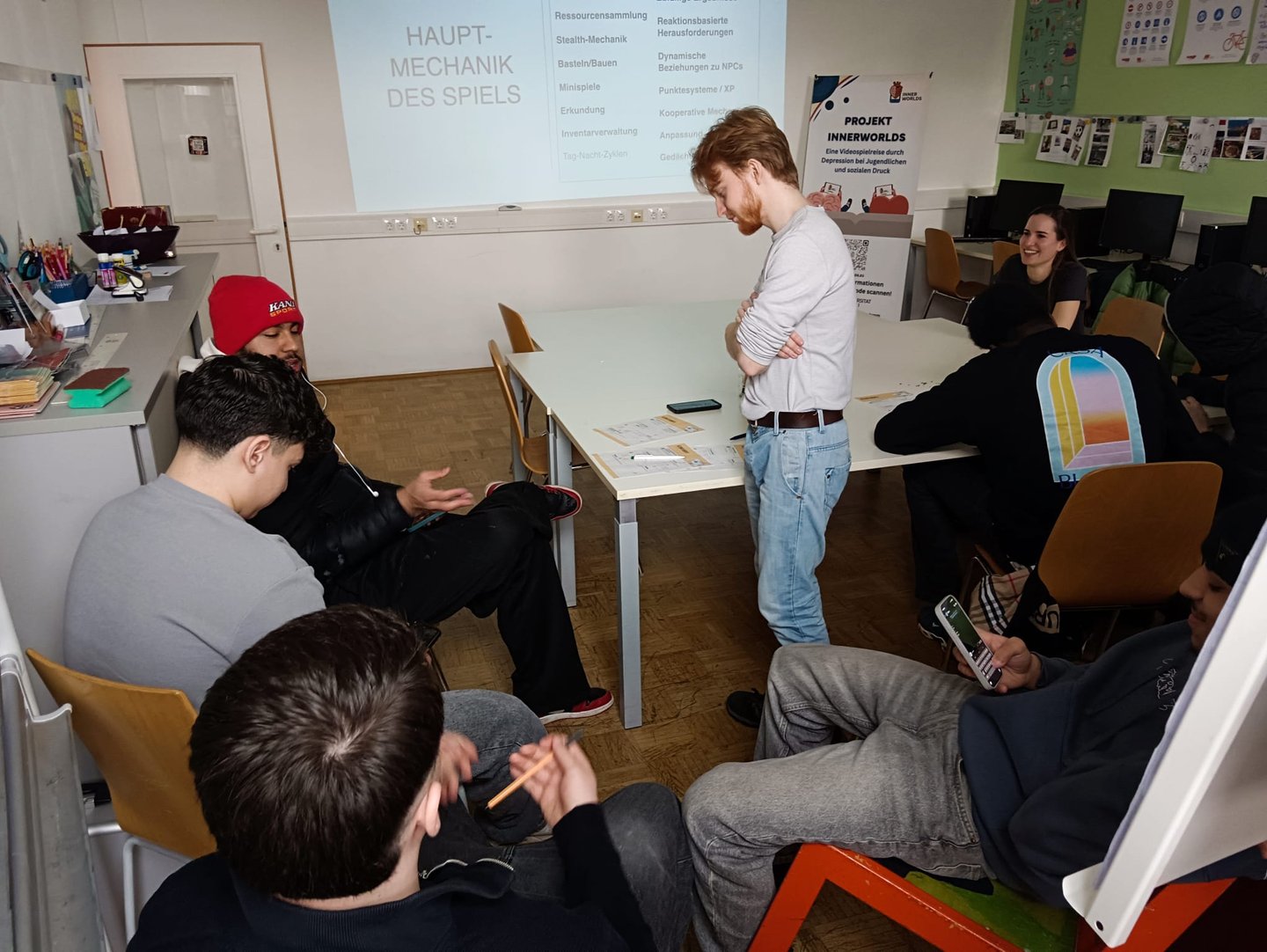
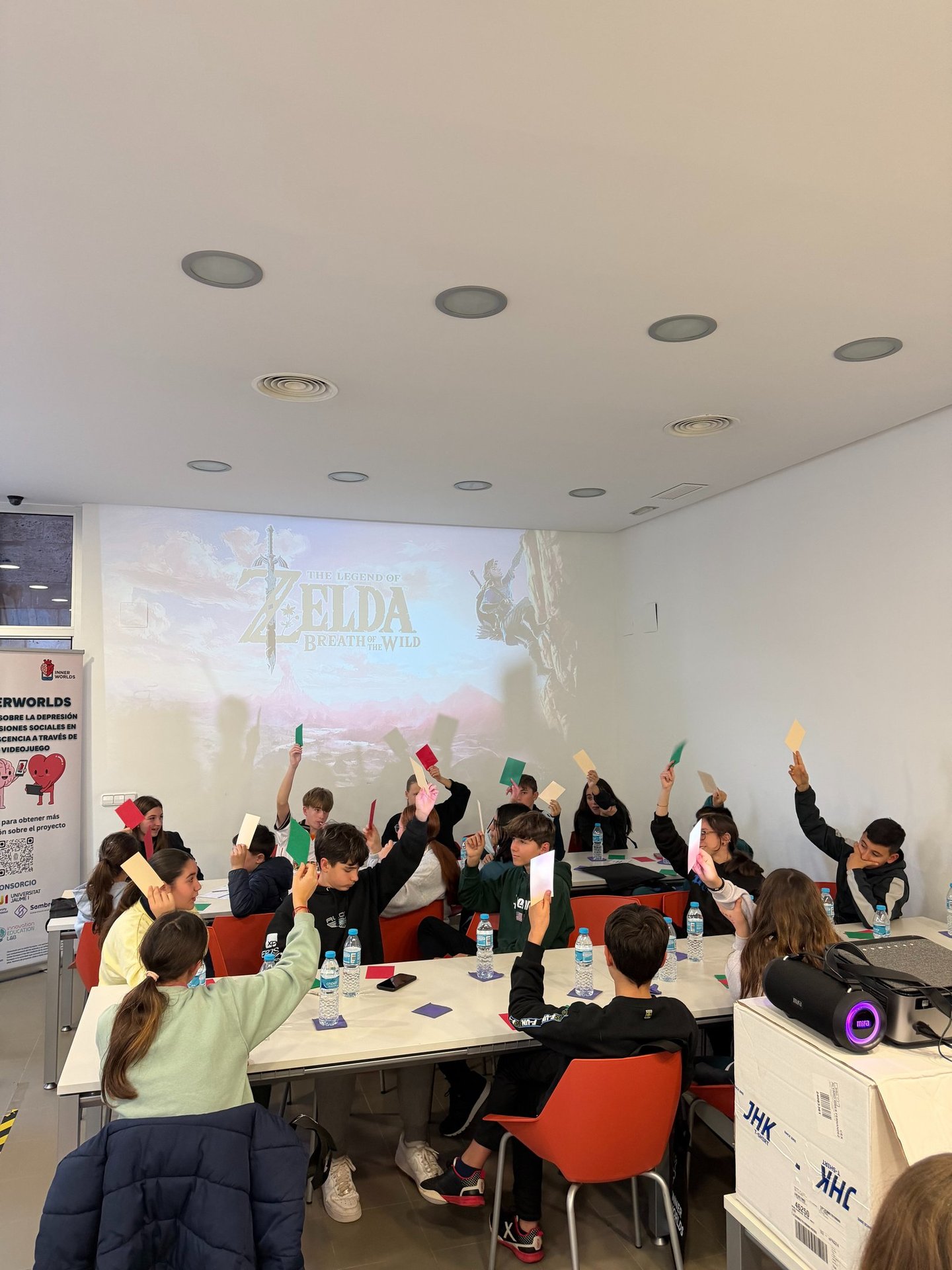
Collecting feedback from teenagers in Austria (left) and Spain (picture on the right) on game mechanics and stories.
Involving Youth Workers as well
In the period between 2. and 6. March, we organized an LTTA (Learning, Training and Teaching Activity) in Castellon, Spain, hosted by the University Jaume I. At the LTTA we focused on the equipping young workers from Austria, Cyprus, Romania and Spain to understand mental health concepts, how young people report it, and how to contribute to the development of the game. Multiple lecturers on game development form UJI, together with psychologists from UoL and St. John community center (Cyprus) and SEMBREM (Spain) fulfilled the week with content that will help us deliver the next part, and work with teenagers locally.
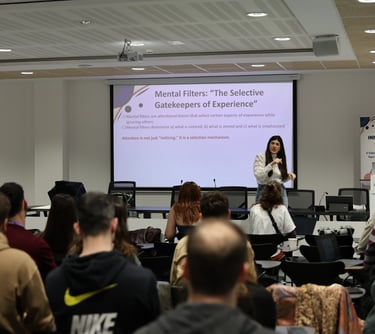
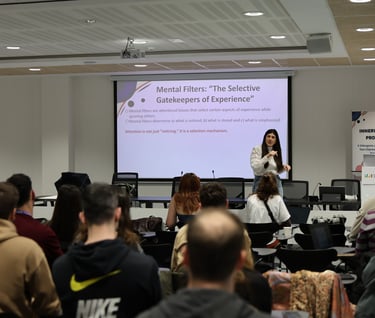
Dr. Markella Grigoriou
Psychologist and project developer
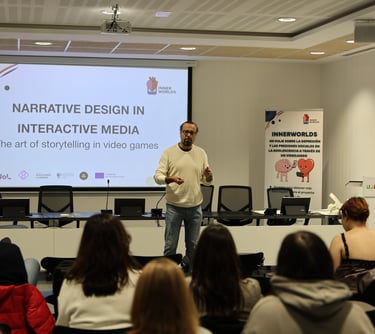
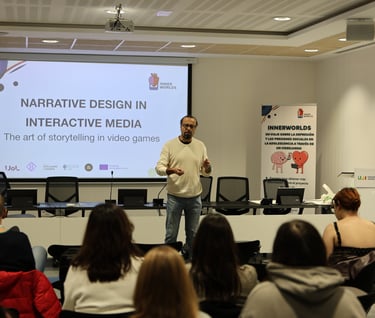
Emilio Sáez
professor at UJI
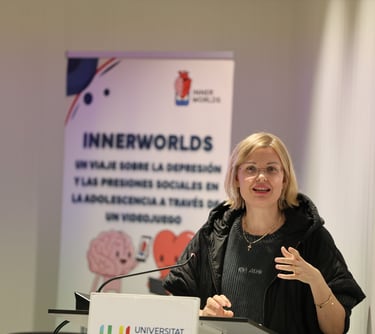
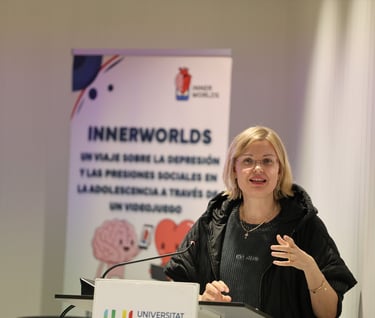
Elena Shliakhovchuk
PhD INIT
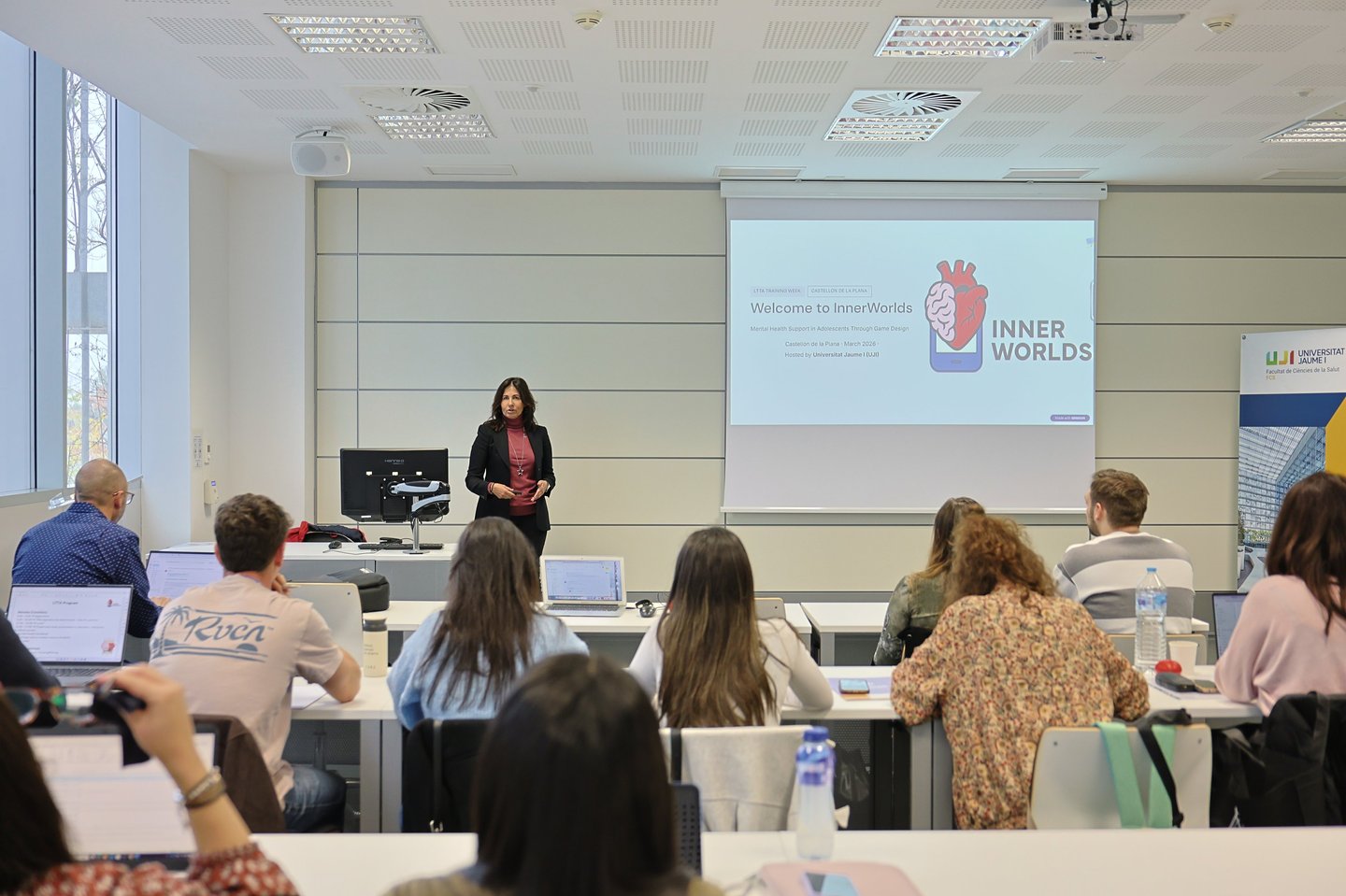
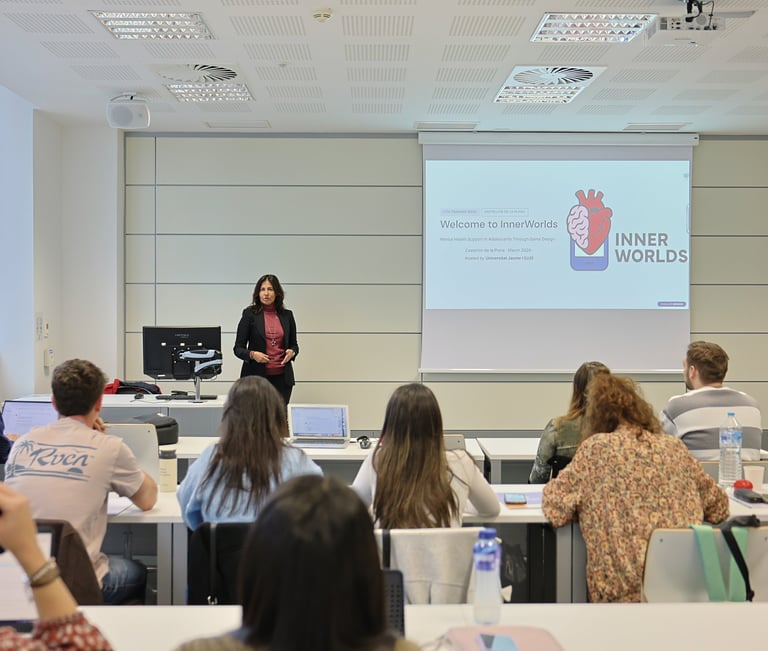
Inmaculada Remolar Quintana
Lead of the department in INIT
Connect
Follow us leave your legacy in promoting youth mental health awareness.
Partners
Outcomes
innerworldseu@gmail.com
© 2025. All rights reserved.

Funded by the European Union. The views and opinions expressed on this website are solely those of the author(s) and do not necessarily reflect those of the European Union or the Instituto de la Juventud (INJUVE). Neither the European Union nor the granting authority can be held responsible for them